
UNSW Sydney Campus
Multi-Tenancy Commercial Kitchen Ventilation Upgrade Status: Completed – January 2026
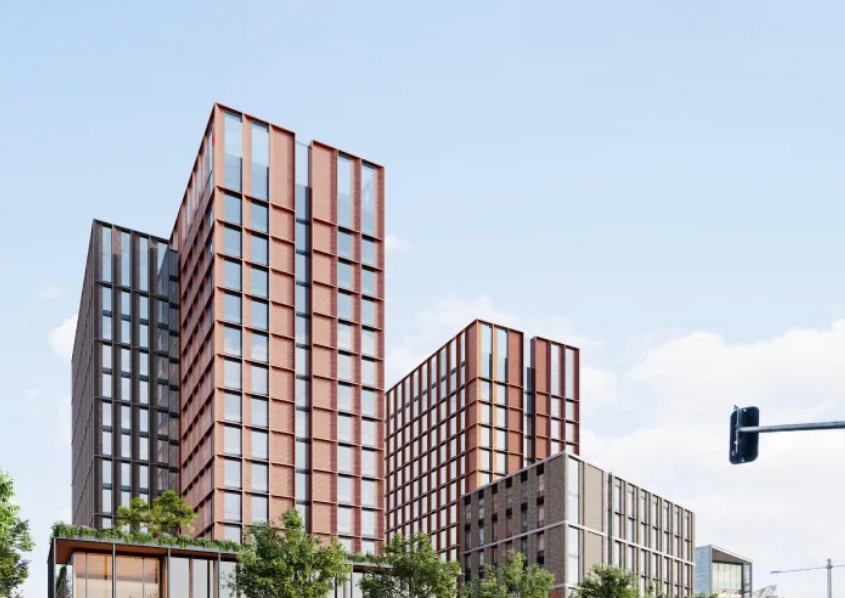
HVAC Industries was engaged by FAL Construction Group Pty Ltd to deliver a Design and Construct mechanical services upgrade for the commercial kitchen exhaust systems servicing multiple food tenancies at the University of New South Wales (UNSW) campus food precinct.
The project involved upgrading the kitchen exhaust and ventilation systems servicing several high-traffic food outlets within the precinct, including:
• Yalla Eat
• IGA
• Guzman y Gomez (GYG)
• Max Brenner
The works were required to improve the performance, reliability, and compliance of the commercial kitchen ventilation systems while ensuring the ongoing operation of the surrounding campus facilities.
Due to operational constraints within the food precinct, the tenancies were only able to close for construction works during a two-day shutdown period on the 25th and 26th of December. This created a highly compressed installation window requiring extensive planning, coordination, and pre-installation preparation.
To meet the strict timeline and UNSW operational requirements, HVAC Industries implemented a detailed off-site preparation strategy, ensuring all systems and components were procured, manufactured, assembled, and tested prior to the shutdown period.
This approach ensured that the entire installation, commissioning, and handover process could be completed within the limited shutdown window while maintaining full compliance with UNSW safety standards and mechanical design requirements.
Project Scope
The scope of works included the design, supply, installation, and commissioning of upgraded commercial kitchen exhaust and ventilation systems servicing the multiple food tenancies.
Commissioning & Compliance
All works were installed, commissioned, and tested in accordance with UNSW mechanical standards, National Construction Code (NCC) requirements, and relevant Australian Standards.
Commissioning works included:
• Testing and verification of exhaust airflow performance
• System balancing and operational verification
• Functional testing of ventilation systems
• Preparation and delivery of O&M manuals and as-built documentation
• Final inspection and handover to the client
Fast-Track Delivery & Off-Site Preparation
Due to the strict two-day construction window, HVAC Industries completed extensive off-site preparation works prior to the installation period, including:
• Procurement and fabrication of all required mechanical equipment and ductwork components
• Pre-assembly of ventilation components where possible
• Off-site testing and verification of equipment prior to delivery
• Detailed construction planning and coordination with UNSW facility management and the builder
This approach ensured that all installation works could proceed immediately upon site shutdown, allowing the project to progress efficiently without delays.
Key mechanical works included:
• Upgrade of the commercial kitchen exhaust systems servicing multiple food tenancies
• Design and installation of new exhaust ductwork systems suitable for commercial kitchen grease extraction
• Installation of high-capacity exhaust fans designed to support increased kitchen heat and cooking loads
• Installation and modification of kitchen exhaust plenums and hood connections
• Installation of grease-rated exhaust ductwork systems in accordance with relevant fire and ventilation standards
• Integration of ventilation systems to ensure balanced airflow and effective heat extraction across all kitchen areas
The upgraded systems were designed to maintain proper airflow and extraction performance to ensure safe and efficient operation of the commercial kitchens.
Kitchen Exhaust & Ventilation Systems
Project Scope
The scope of works included the design, supply, installation, and commissioning of upgraded commercial kitchen exhaust and ventilation systems servicing the multiple food tenancies.
Peakhurst
Across both stages, HVAC Industries successfully delivered:
• Upgrade and replacement of over 500 fire dampers throughout the facility
• Installation of 150 compliant fire collars to service penetrations
• Construction of smoke walls across 12 fire zones
• Passive fire sealing of service penetrations including batt, mastic, and fire collar systems
• Upgrade of the Fire Indicator Panel (FIP) to suit revised building layouts
• Inspection and certification of all fire dampers in accordance with AS 1530.4 and AS 4072.1
The completed works significantly improved life safety protection, regulatory compliance, and long-term asset protection for the facility.
Berry
• Installation of a Daikin VRF system servicing multiple common areas including:
- Entry and reception areas
- Administrative offices
- Café and communal spaces
- Hairdresser and beauty salon
- Activities room
• Installation of multiple indoor fan coil units connected to a new VRF condenser located within the existing plant room
• Integration of all units with individual wall-mounted controllers and the central control system
• Air balancing and system commissioning to optimise performance
• Electrical verification and operational testing to confirm compliance with the project design intent
The completed upgrade delivered improved thermal comfort, system efficiency, and reliable mechanical performance for the aged care facility.
HVAC Industries delivered a comprehensive upgrade including both mechanical services and passive fire protection works:
Mechanical Works
• Upgrade of the Daikin VRF system across the Ground Level and Level 1 communications rooms
• Air balancing and ventilation performance checks across multiple communications rooms
• Installation of door relief grilles where required to maintain correct airflow and pressurisation.
Passive Fire Protection Works
• Fire-stopping of cable penetrations using approved HP fire sealant and wrap systems
• Passive fire protection of service risers and penetrations to maintain building compartmentation
• Fire sealing of mechanical, electrical, and plumbing penetrations throughout the facility
• Installation of compliant fire-stopping systems including batt, mastic, and wrap solutions
• Certification of all passive works in accordance with NCC requirements and AS 4072.1 standards.
All works were completed, inspected, and certified to ensure the facility maintained full compliance with Uniting’s safety and operational requirements.